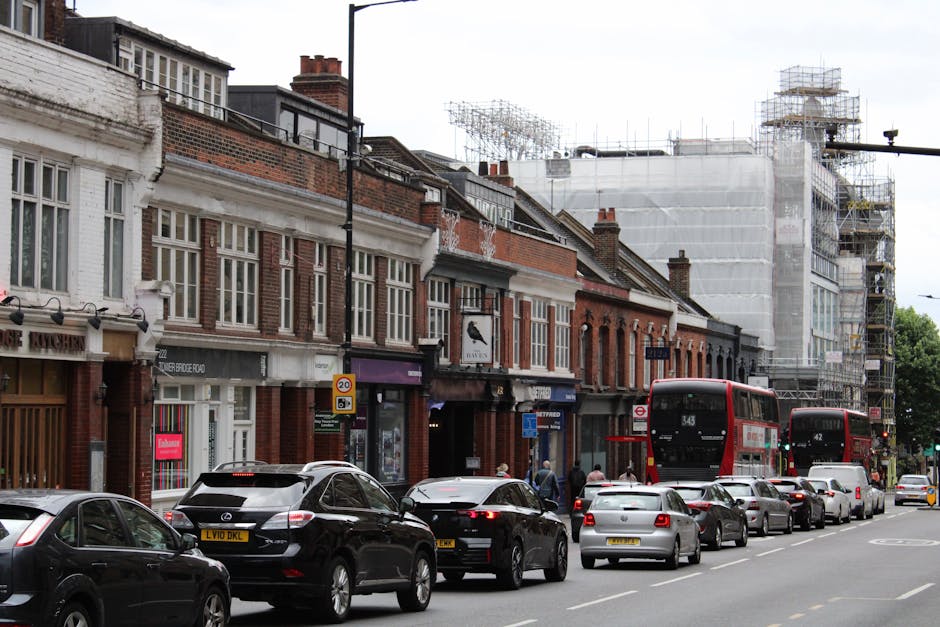
Moving to Wimbledon Common area removals tips SW19
Moving into the Wimbledon Common area has a lovely appeal, but the actual move can be a bit of a puzzle. Narrow side roads, parking pressure, family homes with awkward staircases, leafy streets that are beautiful but not always easy for a van, and the usual London time squeeze all show up at once. That is why Moving to Wimbledon Common area removals tips SW19 is not just about packing boxes. It is about planning the route, understanding access, and choosing the right kind of moving support so your day runs smoothly rather than turning into an all-day scramble.
Whether you are relocating a flat, a family home, or a small office nearby, the key is to prepare for the local realities before moving day arrives. In this guide, you will find practical advice on what to expect, how removals typically work in SW19, where people get caught out, and how to make sensible decisions without overcomplicating things. A calm move is possible, honestly. It just needs a proper plan.
Table of Contents
- Why Moving to Wimbledon Common area removals tips SW19 Matters
- How Moving to Wimbledon Common area removals tips SW19 Works
- Key Benefits and Practical Advantages
- Who This Is For and When It Makes Sense
- Step-by-Step Guidance
- Expert Tips for Better Results
- Common Mistakes to Avoid
- Tools, Resources and Recommendations
- Law, Compliance, Standards, or Best Practice
- Options, Methods, or Comparison Table
- Case Study or Real-World Example
- Practical Checklist
- Conclusion
- Frequently Asked Questions
Why Moving to Wimbledon Common area removals tips SW19 Matters
The Wimbledon Common area has a very different feel from a generic suburban move. You are dealing with homes that can sit on busy through-roads or tucked away in quieter lanes, plus the kind of parking and loading conditions that can make a straightforward job suddenly awkward. If you have ever tried to reverse a van into a tight London street while a car waits behind you, you will know the mood changes quickly. Not dramatically. Just enough.
Good removals advice matters here because it helps you protect your time, your belongings, and your sanity. A move in SW19 often benefits from a careful balance: enough preparation to avoid delays, but not so much bureaucracy that the whole day becomes stiff and stressful. The best approach is practical. Measure the awkward bits, plan for the heavy items, think about traffic windows, and avoid leaving decisions until the last minute.
It also matters because moving costs are rarely just about distance. Access, carrying time, parking, the size of the vehicle, and whether you need packing support can all influence the final shape of the move. If you are comparing options, it helps to review pricing and quotes early rather than guessing. That one step alone can save a surprising amount of back-and-forth later.
Expert takeaway: In Wimbledon Common moves, the best savings usually come from reducing friction, not cutting corners. Better access planning, clear labelling, and the right vehicle size often matter more than people expect.
How Moving to Wimbledon Common area removals tips SW19 Works
Most local moves follow the same broad pattern, but the details make all the difference. A good removals process usually starts with an inventory of what is moving, then moves into access checks, packing, vehicle choice, and timing. In SW19, that process is especially important because the local environment can change the practical setup quite a bit from street to street.
Think of it in stages:
- Survey the property and access points. Stairs, lifts, garden gates, shared entrances, and long carrying distances all need to be understood before the van arrives.
- Match the service to the move. A smaller flat may suit a man and van service, while a full house move may need a larger team such as house removals.
- Choose packing support if needed. If you have fragile items, an awkward schedule, or too little time, packing and unpacking services can save a lot of energy.
- Plan vehicle access and loading order. Heavy furniture, white goods, and boxed essentials should be loaded in a sensible sequence so nothing gets trapped at the back.
- Confirm timings and safety details. That includes access windows, parking limitations, and who is responsible for fragile items or disassembly.
There is no magic trick, to be fair. It is mostly about removing surprises. A move that feels smooth on the day almost always had decent planning behind it.
If you are moving a business rather than a household, the logic is similar but the priorities change slightly. Office furniture, IT equipment, and downtime become the big concerns. In that case, services like office removals or broader commercial moves may be more appropriate than a standard home move setup.
Key Benefits and Practical Advantages
A well-planned move into Wimbledon Common area gives you more than a stress-free day. It can help you avoid avoidable damage, protect schedules, and make the first week in your new place much easier. People often focus on the final box coming through the door, but the real benefit is everything that does not go wrong.
- Less risk of damage: Clear packing and proper handling reduce scratches, dents, and the kind of damage that usually happens when people are rushing.
- Faster loading and unloading: When boxes are labelled and grouped properly, the move feels quicker without anyone needing to sprint.
- Better use of vehicle space: Correct stacking means fewer trips and less wasted effort.
- Reduced stress on moving day: A plan gives you breathing room. That sounds small, but on a rainy London morning, it matters.
- Improved access management: Wimbledon Common streets can be convenient one moment and awkward the next. Planning for parking and carry distance helps a lot.
- More suitable service choice: Choosing between a small van, moving van, or full removals team prevents overpaying for too much capacity or underestimating what is needed.
Another quiet benefit is confidence. If you have checked the route, confirmed the service type, and packed essentials properly, you are far less likely to panic when the first delivery lorry appears or the weather turns. And yes, it often does at the least helpful moment.
For people who need additional reassurance around handling, storage of possessions in transit, or general service standards, it is sensible to review insurance and safety before booking. A trustworthy move is not just about muscle. It is about accountability.
Who This Is For and When It Makes Sense
This topic is relevant to a few different kinds of movers, and the best approach depends on what you are moving and how much help you want.
Home movers in SW19 are the obvious group. If you are moving into a flat, maisonette, family house, or period property around Wimbledon Common, local access and packing quality are usually the big issues. A service such as home moves can suit a broad range of households.
Households with larger furniture may need the structure of house movers or the more complete house removalists option. That tends to make sense when beds, wardrobes, sofas, and multiple rooms are involved.
People with lighter loads, especially students, renters, or those moving a few major items, often do well with a man with van style move. It is usually a practical fit when speed and simplicity matter more than a large team.
Small businesses and offices should think in terms of continuity. If your move needs to happen with minimal disruption, an office relocation services approach may be more suitable than a standard household setup.
It makes sense to use this guidance when you want to avoid common local problems: blocked access, poor packing, too-small vehicles, and the classic last-minute realisation that the mattress cannot just be "bent a bit." It cannot. People try though.
Step-by-Step Guidance
1. Start with an honest inventory
Write down what is actually moving. Not what you hope is moving. The big furniture, awkward items, fragile pieces, and anything that needs dismantling should all go on the list. This is the quickest way to avoid underestimating the job.
2. Check access at both addresses
Measure doorways, note stair width, and look at parking. If there is a long walk from the van to the property, say so early. That detail matters more than many people think. In some Wimbledon Common properties, the difference between a smooth move and a difficult one is simply whether the van can get close enough.
3. Decide what help you really need
Ask yourself: do you need full packing support, basic loading help, or just transport? If you need flexibility, a man and van removals service can be a sensible middle ground. If the move is larger or more demanding, a proper removal team is usually the better call.
4. Pack in zones, not random piles
Keep each room together as far as possible. Mark boxes with the room name and a short description. For example, "kitchen - crockery" is much more useful than just "misc." It sounds obvious, but on moving day, obvious things disappear fast.
5. Prepare a small essentials bag
Keep passports, keys, chargers, medication, kettle items, toilet paper, and a change of clothes with you. A first-night box is a tiny thing that saves a lot of grief. You do not want to be hunting for a phone charger at 11pm while standing in a room full of unopened boxes.
6. Confirm vehicle and timing details
A moving truck or moving van needs to match the job. If the load is too large, the move gets slower. If it is too big, you may pay for space you never use. Looking at moving van or moving truck options helps you think practically about scale.
7. Protect the awkward items
Mirror glass, lamps, framed art, TVs, and exercise equipment need extra attention. Use the right wrapping, keep cords taped neatly, and make sure nothing can shift inside the vehicle. One loose lamp base can make a surprising mess. Ask anyone who has had to clean up broken ceramics in the rain.
8. Do a final walk-through
Before leaving, check cupboards, lofts, sheds, and behind doors. Count keys. Photograph meter readings if needed. A final sweep prevents the annoying little follow-up calls that nobody wants.
Expert Tips for Better Results
These are the kinds of details that make a good move feel quietly professional.
- Book around your real schedule, not your ideal one. If you think packing will take two evenings, allow three. People always underestimate the little things.
- Use colour coding for rooms. A coloured sticker system speeds up unloading and reduces confusion in bigger homes.
- Disassemble furniture earlier than you think. Waiting until the last morning is asking for trouble, especially if a screw is missing or a drawer sticks.
- Keep weight balanced in boxes. Books in small boxes, soft items in larger ones. It sounds basic, yet it saves backs.
- Label fragile items clearly, but accurately. Overusing "fragile" can make people stop trusting the label. Use it where it counts.
- Think about the weather. Even a short carry in heavy rain can slow the whole day down. Towels, dust sheets, and decent footwear are not glamorous, but they help.
- Ask questions about handling standards. If you want reassurance, check the company's health and safety policy and general service process before the move.
One more thing: if you are moving near Wimbledon Common during a busy time of year, do not leave parking, access, and timing to chance. Local moves often get bogged down by tiny delays, then everyone is waiting, and the day starts to feel longer than it should. A little structure avoids that. It really does.
Common Mistakes to Avoid
Most moving problems are not dramatic failures. They are small assumptions that stack up.
- Choosing the wrong size service: A single van may be fine for a few items, but not for a full household. Under-sizing usually creates more stress than it saves money.
- Ignoring access restrictions: If there is no safe place to stop, a job that should take one trip can become a slow shuttle.
- Poor labelling: Unlabelled boxes are a guaranteed headache when you are tired and trying to find bedding.
- Not separating essentials: If everything is mixed together, the first night becomes awkward very quickly.
- Leaving packing too late: Last-minute packing usually leads to overfilled boxes, broken items, and missing documents.
- Forgetting to check terms: You should understand what is included, what is not, and how the service handles delays or cancellations. The terms and conditions matter more than people think.
- Skipping insurance checks: Nobody plans damage, but it is wise to know how cover works before anything is moved.
There is also a quieter mistake: assuming your move is "simple" because the property size is modest. Often the opposite is true. Smaller homes can still have awkward access, heavy items, or tight staircases. Simple on paper, messy in practice. That gap catches people out.
Tools, Resources and Recommendations
You do not need a truckload of gadgets to move well. A few practical tools will make the whole process cleaner and less chaotic.
- Strong tape and spare labels: Basic, but essential.
- Permanent markers: Use them to mark contents and destination rooms.
- Blanket wrap or furniture covers: Helpful for protecting wooden pieces and upholstered items.
- Zip bags for screws and fittings: Keep them taped to the furniture they belong to.
- Torches and phone chargers: Handy if the new property is empty or the light is poor.
- Cleaning cloths: Ideal for a quick wipe before furniture goes into place.
- Boxes in a few different sizes: A mix is better than one size for everything.
For service planning, it can also help to look at the broader options available, such as removal services, removals, or a more streamlined removals near me search if you want a local provider with quicker turnaround. And if you are just moving a few items, a removal van may be enough.
For those moving mixed loads or needing a more flexible setup, there are also options like man with a van and movers. The right choice depends on scale, urgency, and how much lifting you want to handle yourself.
Law, Compliance, Standards, or Best Practice
For most household moves, you do not need to become a legal expert. Still, good practice matters. In London, parking and loading rules can affect what is possible on the day, and some properties or roads may require extra coordination. The safest approach is to confirm access in advance and avoid making assumptions about where a vehicle can wait or how long it can stay.
For removals businesses, standard best practice usually includes proper handling of goods, clear communication about what is included, reasonable care with items, and sensible safety procedures for lifting and carrying. If you are comparing providers, it is fair to look at their safety approach, how they manage complaints, and whether they provide clear payment terms. Those things are not just admin. They are part of trust.
It is also sensible to ask about insurance arrangements and the handling of high-value or fragile items. Not because something will go wrong, but because professionalism shows up in the details. A company that can explain its process clearly tends to be easier to work with on moving day. Simple as that.
Environmental responsibility is another growing part of best practice. If you are clearing out unwanted items, consider whether some goods can be reused or responsibly collected. A service such as recycling and sustainability can help reflect that approach, especially if you are trying to reduce waste during a move.
Options, Methods, or Comparison Table
Choosing the right removals option is often the difference between a calm day and a messy one. Here is a simple comparison to help you decide.
| Option | Best for | Strengths | Watch-outs |
|---|---|---|---|
| Man and van | Small moves, a few items, short local jobs | Flexible, straightforward, often efficient | Limited capacity for full-house moves |
| Removal van | Medium-sized household moves | Balanced capacity, practical for local access | May still need more labour for heavy furniture |
| Moving truck | Larger loads and fuller homes | More space, fewer trips | Can be harder to position in tight streets |
| Full house removals | Busy family moves, heavy furniture, full properties | Structured, more support, less strain on you | Usually needs more planning and coordination |
| Packing and unpacking support | Time-poor households or fragile items | Helps protect belongings and saves time | Extra cost, though often worth it |
There is no single right answer. A one-bedroom flat near Wimbledon Common might suit a light and fast setup, while a larger family home may need a more complete removal team. If the move also involves business equipment, consider whether you need office relocation services or a specialised commercial approach instead.
Case Study or Real-World Example
Imagine a family moving from a first-floor flat near Wimbledon Common into a house a short distance away in SW19. On paper, the move looks simple: same postcode area, not much distance, only a few big items. But the flat has a narrow stairwell, limited curbside access, and a sofa that barely clears the landing. Classic.
What made the difference was not brute force. It was planning. The movers measured the sofa beforehand, boxed the smaller belongings by room, and reserved the heavier items for first loading so they did not block the hallway later. The team used a smaller vehicle that could park more easily, and the family kept one box of essentials with them rather than letting it disappear into the back of the van. That saved them from the usual first-night hunt for bedding and chargers.
They also booked a service with enough flexibility for loading and carrying, rather than trying to do it all themselves. The move still took effort, of course. Moves always do. But it stayed orderly, and the new place was usable by evening instead of becoming a half-unpacked maze. That is the goal, really.
There was one tiny comedy moment too: the kettle ended up in a box marked "bathroom." Nobody is perfect. The point is that even with a small slip like that, a well-structured move makes the day feel manageable rather than chaotic.
Practical Checklist
Use this before moving day.
- Confirm move date, arrival window, and contact details.
- Measure access at both properties.
- Check parking or loading options close to the property.
- Decide whether you need packing help.
- Book the right type of vehicle or removals team.
- Pack fragile items securely and label them clearly.
- Prepare a first-night essentials bag.
- Disassemble furniture where practical.
- Keep keys, documents, and valuables with you.
- Check the service terms, insurance, and any special handling notes.
- Clear lofts, sheds, cupboards, and storage spaces.
- Do a final walk-through before leaving.
If you want to compare service options before deciding, it can also be helpful to look at removal company information alongside the practical service pages. That way, you are not choosing purely on instinct, which is how people end up regretting the van size at 7:30 in the morning.
Get a free quote today and see how much you can save.
Conclusion
Moving to the Wimbledon Common area does not have to be complicated. The trick is to treat it like a local move with local challenges, not just another postcode change. If you plan access, choose the right level of help, pack carefully, and keep the day organised, you will avoid most of the frustrations people usually talk about after a move.
For some households, a light man with van removal approach will be enough. For others, a fuller home move or office relocation setup will make life much easier. What matters is choosing the option that fits the job, not the one that sounds cheapest in isolation. Cheap is rarely cheap if it costs you time, stress, or damaged furniture.
Take the process one step at a time. Keep it practical. And once the last box is in place, breathe out properly. That first quiet cup of tea in a new home is worth the effort.
Frequently Asked Questions
What should I know before moving to Wimbledon Common area SW19?
You should expect local access and parking to matter more than distance. Check whether the van can stop near the property, whether there are stairs or tight hallways, and whether you need help with packing or heavy items.
Is a man and van service enough for a Wimbledon Common move?
Sometimes, yes. It works well for smaller flats, a few large items, or short local moves. If you have a larger household, more furniture, or awkward access, a fuller removals service is usually better.
How far in advance should I book removals in SW19?
As early as you can, especially if you are moving on a weekend, near school holidays, or during a busy period. Earlier booking gives you more choice and less last-minute pressure.
Do I need packing services for a local move?
Not always, but they can be very useful if you are short on time, have fragile belongings, or simply do not want to spend several evenings surrounded by tape and boxes.
What is the best way to label boxes?
Use the room name and a short description of contents. For example, "main bedroom - bedding" or "kitchen - glasses." That makes unloading and unpacking much smoother.
How do I choose between a removal van and a moving truck?
Choose based on volume and access. A removal van suits medium-sized moves and can be easier to place on tighter streets. A moving truck is better for larger loads but may be harder to position near some Wimbledon Common properties.
Are office moves different from house moves?
Yes. Office moves usually involve scheduling around downtime, handling IT equipment carefully, and protecting business continuity. That is why office relocation services or commercial moves are often the better fit.
What should I keep with me on moving day?
Keep valuables, documents, keys, medication, chargers, and a first-night essentials bag with you. You will thank yourself later when the last box is still unopened.
How can I reduce damage during the move?
Pack properly, protect furniture edges, disassemble large items where possible, and make sure fragile things are clearly marked and separated. Good loading order matters too.
What if my property has tricky access or limited parking?
Say so early. That kind of detail helps determine the right vehicle size, carrying plan, and staffing needs. It is much easier to solve access problems before moving day than during it.
Should I read the company's terms before booking?
Yes. The terms and conditions tell you what is included, what responsibilities you have, and how the service handles changes or delays. It is not the fun bit, but it matters.
Can removals companies help with smaller furniture collections too?
Yes. If you only need one or two items collected, a furniture pick-up service may be more suitable than a full house move. It keeps the job efficient and avoids paying for capacity you do not need.
When you are ready, choose the service level that matches your move, stay practical, and keep the first night as simple as possible. That little bit of calm makes a big difference.